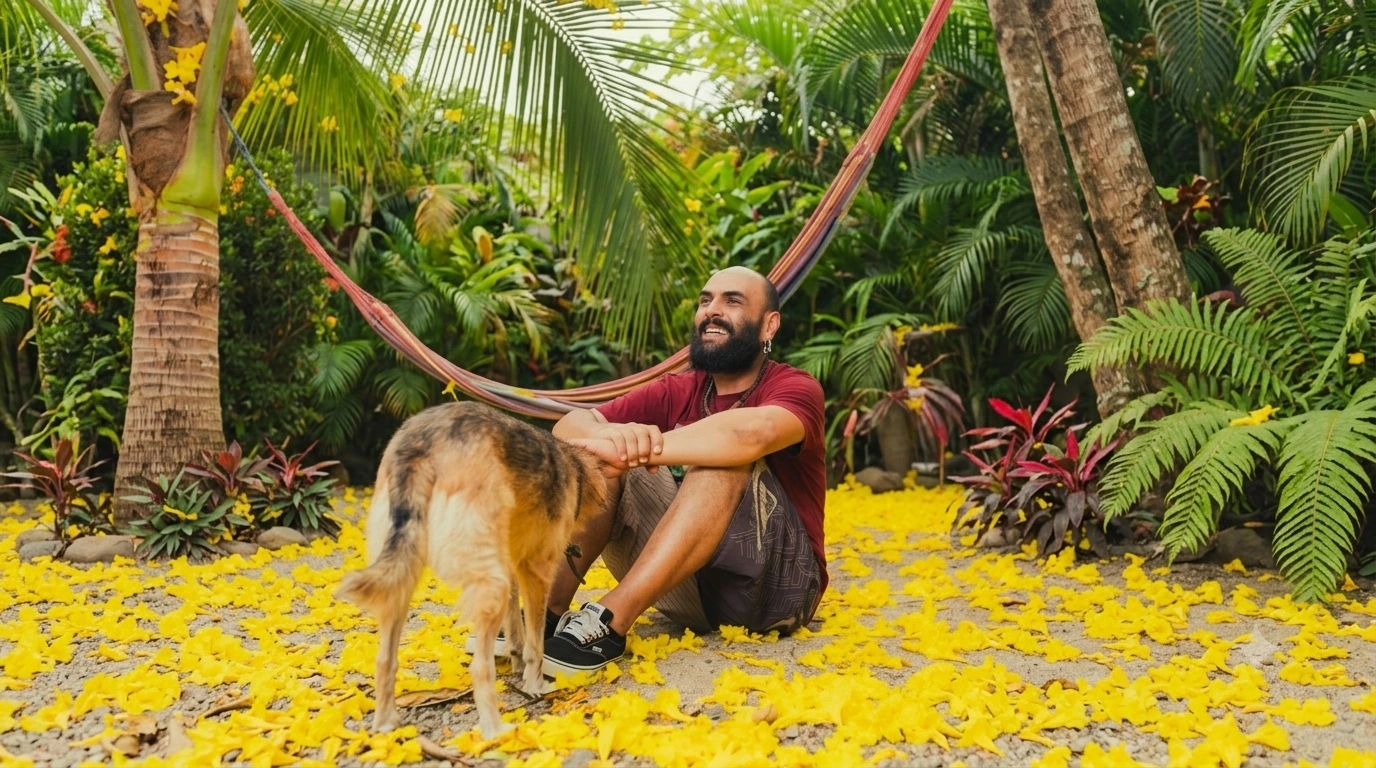
From Mendoza to Costa Rica,
the long road
of coming back to the hands.
A man who left the path laid out for him to create freely, honor the cultures that shaped him, and turn material into living history.
A path that
was not his
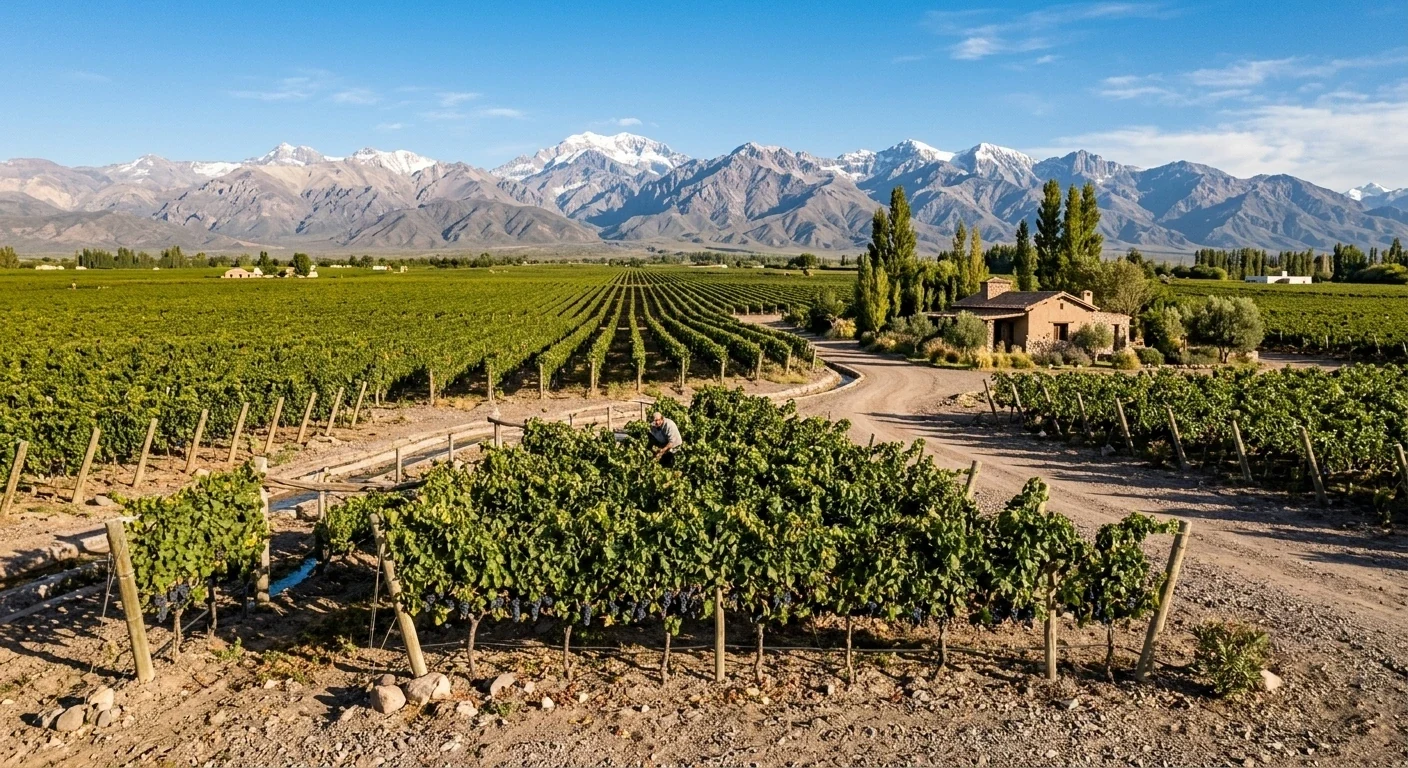
Andrés grew up in a small rural town in Mendoza, Argentina. A place where the horizon seemed wide, but the future was already written.
For years he followed a path he had not chosen. The army. Discipline. The predictable.
Until his grandfather's death broke that certainty. It was not only a loss. It was the moment he understood he could no longer live a life that did not feel like his own.
Leaving, without knowing
where to
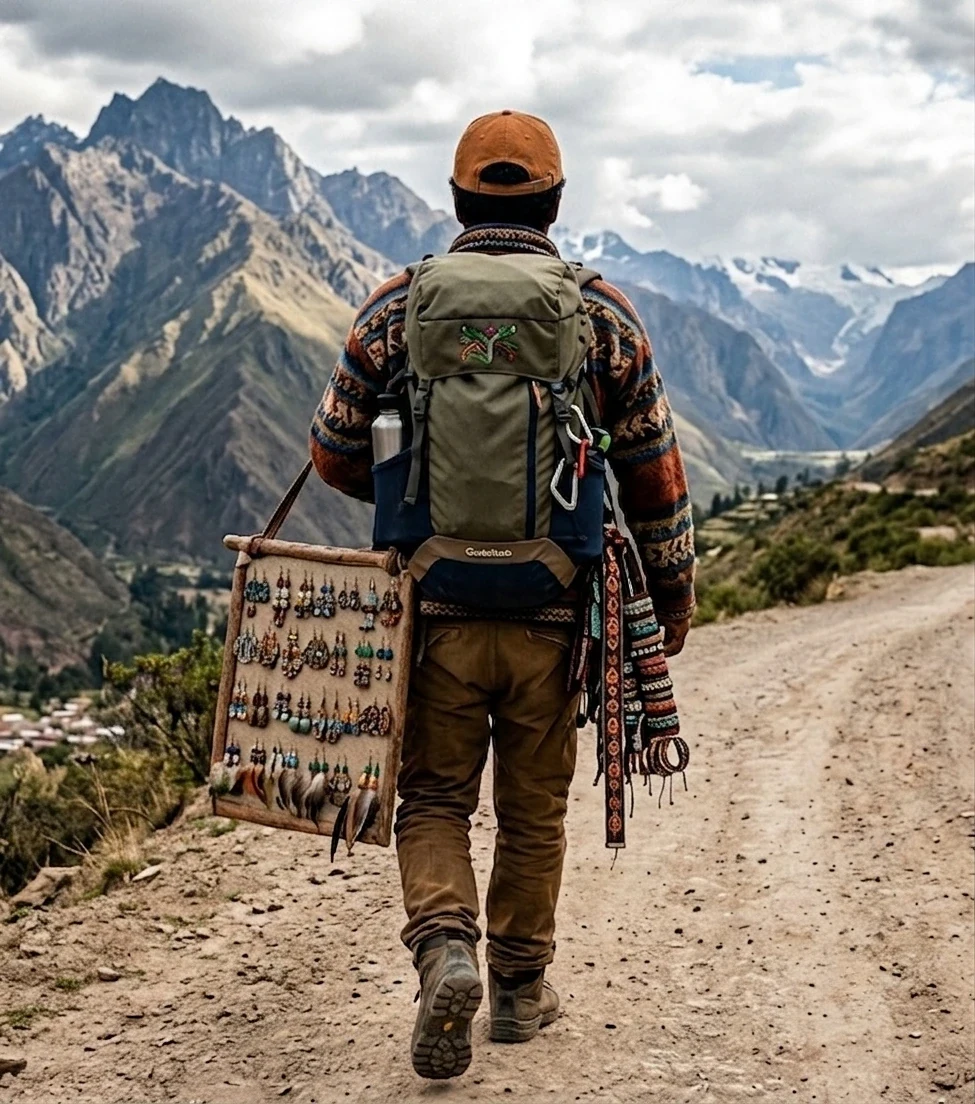
He left the army behind, and everything it stood for. With no clear destination, he set out across Latin America.
There was uncertainty. Scarcity. Doubt. Moments when the road seemed to fade. But there were also encounters that changed the way he saw the world. People. Crafts. Landscapes.
Peru and Ecuador stopped being stages of the journey and became home for several years. There he understood that traveling was not about changing places, but about letting each land transform him.
Creating again
with his hands
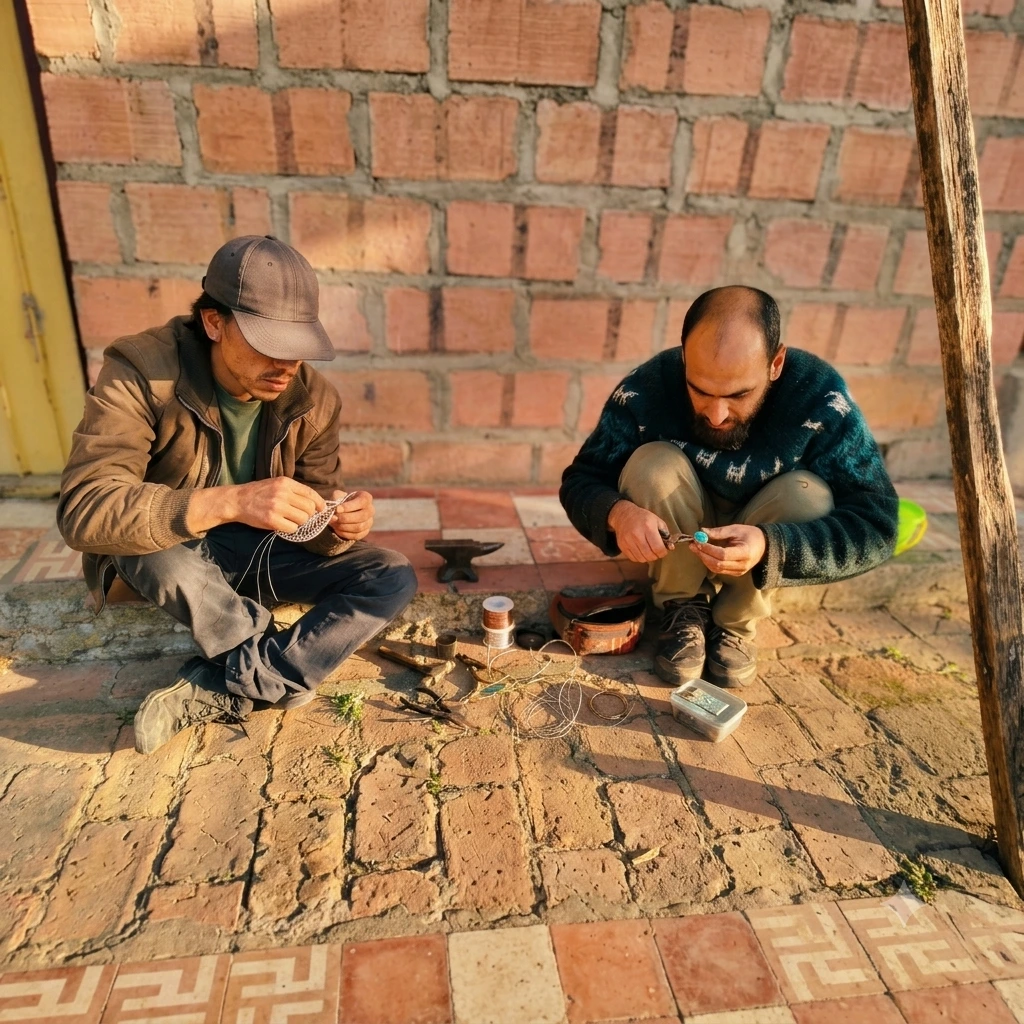
On the road, Andrés returned to a gesture he had known since he was a teenager: creating with his hands. What was once a skill became, over time, a language of his own.
Each piece began to gather fragments of the journey, emotions, encounters and memories. It does not try to reproduce a shape: it gives shape to an experience. That is why no two works are the same.
Hands remember what words cannot always tell.
Everything leaves
a trace
The Andean worldview deeply changed the way he understands the world. The bond with the land. The cycles of nature. Respect for what grows at its own pace.
And above all, the certainty that nothing exists in isolation. Over time he understood that every encounter leaves a mark, and that every journey ends up being part of who we are.
That way of seeing runs through each of his pieces today. Not as a symbol: as a way of living in the world.
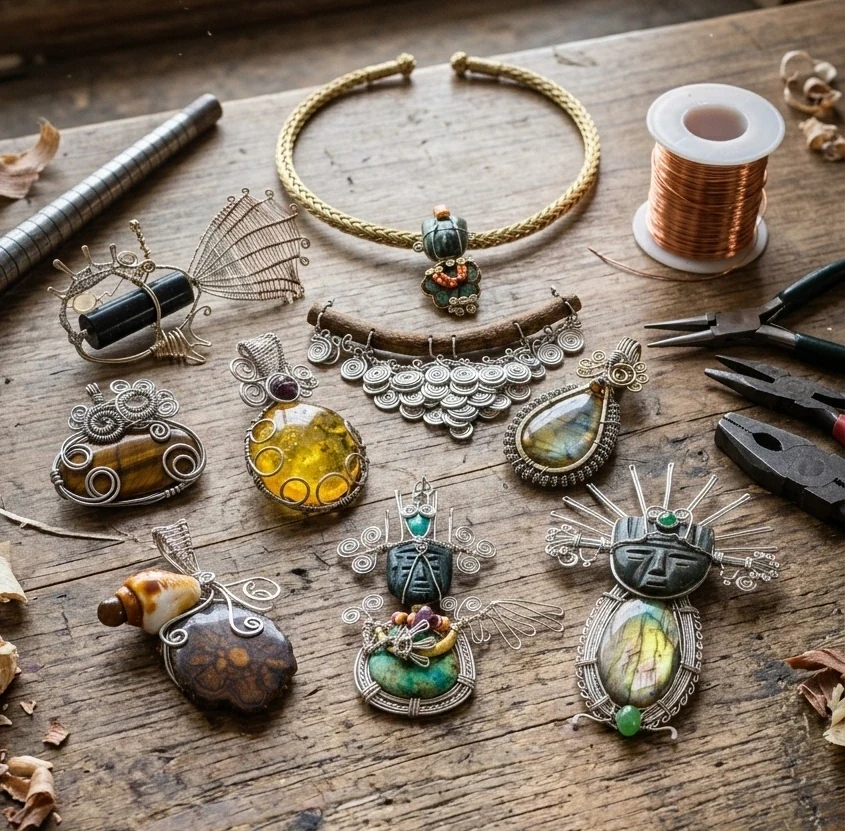
Creating is not producing. It is remembering. Honoring. Transforming.
Handmade, with time,
with history and with intention
Each piece holds a journey. Perhaps, when you find one, part of yours begins too.
From Mendoza to Costa Rica,
the long road
of coming back to the hands.
A man who left the path laid out for him to create freely, honor the cultures that shaped him, and turn material into living history.
A path that
was not his
Andrés grew up in a small rural town in Mendoza, Argentina. A place where the horizon seemed wide, but the future was already written.
For years he followed a path he had not chosen. The army. Discipline. The predictable.
Until his grandfather's death broke that certainty. It was not only a loss. It was the moment he understood he could no longer live a life that did not feel like his own.
Leaving, without knowing
where to
He left the army behind, and everything it stood for. With no clear destination, he set out across Latin America.
There was uncertainty. Scarcity. Doubt. Moments when the road seemed to fade. But there were also encounters that changed the way he saw the world. People. Crafts. Landscapes.
Peru and Ecuador stopped being stages of the journey and became home for several years. There he understood that traveling was not about changing places, but about letting each land transform him.
Creating again
with his hands
On the road, Andrés returned to a gesture he had known since he was a teenager: creating with his hands. What was once a skill became, over time, a language of his own.
Each piece began to gather fragments of the journey, emotions, encounters and memories. It does not try to reproduce a shape: it gives shape to an experience. That is why no two works are the same.
Hands remember what words cannot always tell.
Everything leaves
a trace
The Andean worldview deeply changed the way he understands the world. The bond with the land. The cycles of nature. Respect for what grows at its own pace.
And above all, the certainty that nothing exists in isolation. Over time he understood that every encounter leaves a mark, and that every journey ends up being part of who we are.
That way of seeing runs through each of his pieces today. Not as a symbol: as a way of living in the world.
Creating is not producing. It is remembering. Honoring. Transforming.
Handmade, with time,
with history and with intention
Each piece holds a journey. Perhaps, when you find one, part of yours begins too.